
Battery Capacity and Expected Lifespan Per Charge
Proper maintenance also includes periodically checking the attachment heads for signs of wear, such as cracking, deformation, or loss of elasticity. Worn attachment heads can reduce the effectiveness of treatment and may even cause discomfort during use. Most manufacturers sell replacement heads at reasonable prices, and swapping them out every six to twelve months of regular use keeps the device performing optimally.
Our Battery Drain Test: Hours of Continuous Use
Comparing percussion massage guns purely on specification sheets misses important qualitative differences that can only be assessed through hands-on testing. Two devices with identical stall force ratings can feel dramatically different in use due to variations in percussion pattern, handle ergonomics, and vibration dampening. When possible, trying a device before purchasing or buying from a retailer with a generous return policy reduces the risk of disappointment.
Charging habits significantly impact the long-term battery capacity of any lithium-ion device. Frequent partial charges are healthier for the cells than deep discharge cycles followed by full charges. The D6 Pro's battery management system facilitates healthy charging by accepting partial charges without memory effect. Users who top off the battery after each session rather than running it to depletion will enjoy longer overall battery lifespan.
Charging Time from Empty to Full Capacity
Scar tissue management following surgery or significant injury is an underappreciated application of percussion therapy. Mature scar tissue tends to be less organized and less pliable than normal tissue, creating restrictions that affect nearby joints and muscles. Percussion therapy applied around and eventually directly to scar tissue can help remodel collagen fibers into more organized patterns. This treatment should begin gently and progressively increase in intensity as the tissue matures, typically starting several weeks after wound closure.
Percussion therapy has found an expanding role in occupational health, where employers are beginning to provide massage guns as part of workplace wellness programs. The ability to quickly address muscle tension during work breaks can reduce the incidence of repetitive strain injuries and improve afternoon productivity. Healthcare workers, construction laborers, warehouse staff, and office workers all develop occupation-specific tension patterns that respond well to targeted percussion therapy. The compact size of devices like the D6 Pro makes them practical for workplace use.
Noise Testing Methodology and Equipment Used
The concept of mechanotherapy encompasses all therapeutic approaches that use mechanical forces to stimulate tissue repair and adaptation. Percussion therapy falls within this framework alongside exercise, manual therapy, shockwave therapy, and instrument-assisted soft tissue mobilization. Each mechanotherapy modality applies different force characteristics that produce distinct tissue responses. Understanding where percussion therapy fits within this spectrum helps practitioners make informed decisions about when to use it and when alternative approaches might be more appropriate.
Speed transition smoothness between settings affects the user experience more than most specification sheets reveal. Abrupt jumps from one speed to the next create jarring sensations that disrupt the flow of a treatment session. The D6 Pro transitions between speeds with a brief, smooth ramp that takes approximately half a second. This graduated acceleration feels natural and maintains consistent contact between the attachment head and the muscle being treated.
The Theragun Pro's companion app offers guided routines for specific sports and body regions, a feature that appeals to users who prefer structured treatment sessions. This app integration adds genuine value for those who follow the routines consistently, but data suggests that most users stop engaging with the app within the first month of ownership. The D6 Pro's approach of including printed treatment guides may actually result in higher long-term compliance with recommended protocols.
Decibel Results at Low, Medium, and High Speeds
The D6 Pro's noise level during operation is an underappreciated feature that significantly impacts the user experience. At lower speed settings, the device operates quietly enough to use while watching television or having a conversation. This practical consideration matters because a massage gun that disrupts the household environment is less likely to be used consistently, regardless of its therapeutic effectiveness.
Motor Power Delivery and Consistency Over Time
Percussion therapy effectiveness depends on consistent application at the correct depth and frequency for each muscle group. Shallow percussion at high frequency suits warm-up and activation routines before exercise. Deep percussion at moderate frequency targets recovery and myofascial release after training. Understanding which combination to use for each situation maximizes the therapeutic benefit while minimizing the risk of tissue irritation.
Delayed onset muscle soreness affects both trained athletes and occasional exercisers, though the triggers and severity differ between populations. Trained athletes may experience mild soreness after significantly increasing training volume or intensity. Untrained individuals often experience severe soreness from modest physical activity that challenges unfamiliar muscle groups. Percussion therapy provides relief for both populations, though session intensity should match the individual's tolerance and experience level.
Percussion therapy as a recovery tool has been adopted across virtually every sport, from team sports like football and basketball to individual pursuits like triathlon and golf. Each sport produces distinct patterns of muscle fatigue and tissue restriction based on its specific movement demands. Football players focus on hip and shoulder treatment, runners prioritize calves and hip flexors, and swimmers target the shoulder complex and thoracic spine. This sport-specific application reflects a mature understanding of how percussion therapy fits within diverse training environments.
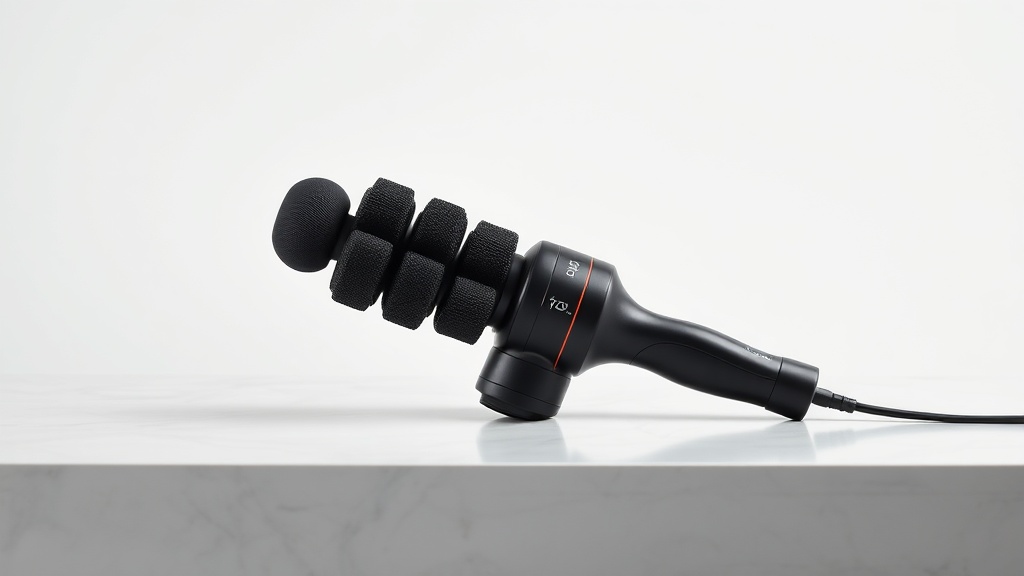
- bob and brad d6 pro review
Battery and Noise Comparison with Leading Competitors
The neurological concept of descending inhibition describes how higher brain centers can suppress pain signals ascending from the periphery. Percussion therapy may activate descending inhibitory pathways through its rhythmic sensory input, which captures the brain's attention and diverts processing resources away from pain. This mechanism would explain why percussion therapy often provides pain relief that lasts well beyond the treatment session itself. The duration of this after-effect varies but commonly extends for several hours following a thorough treatment.